The Artistic Signature Font: Crafting a Timeless Brand Voice
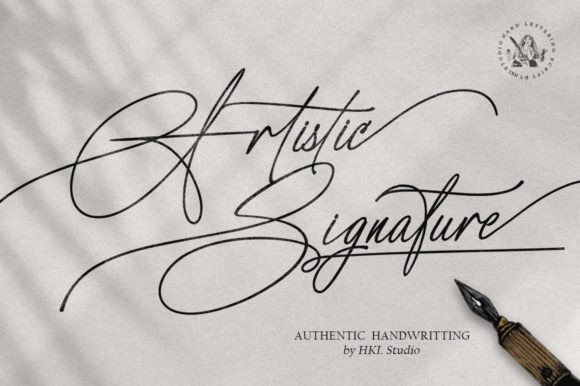
There is a specific moment in every design project where the text stops being mere information and starts to become the voice of the brand. You know the feeling—you have the layout, the colors, and the imagery, but you need the typography to bridge the gap between "professional" and "unforgettable." If you have been searching for a typeface that offers more than just legibility, something that carries the weight of tradition while maintaining a modern, hand-crafted aesthetic, you may have just found your match. Artistic Signature is a luxurious script font that brings an immediate sense of sophistication to any canvas. It isn't just about writing words; it is about creating an atmosphere of elegance through its flowing curves and varying stroke widths.
Understanding the Visual Personality
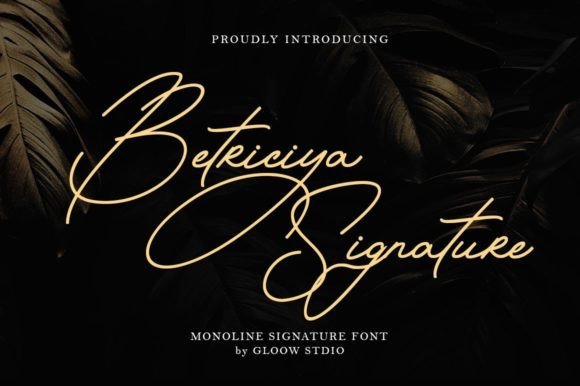
What makes a font truly work for high-end design? It comes down to the subtleties of the line. Artistic Signature is a premium font that mimics the natural pressure and flow of a calligrapher’s hand. Unlike generic script fonts that can look robotic or overly stiff, this typeface features unique hand-drawn characteristics. The varying thickness of the strokes—thick on the downstrokes and delicate on the upstrokes—adds a human touch that digital audiences crave right now. It evokes a sense of class that works perfectly for projects where you want to imply quality and care. Whether you are designing a logo or a wedding invitation, the visual "flair" of this font ensures that your message is delivered with grace.
Strategic Applications for Modern Brands
For the creative entrepreneur or small business owner, choosing a font is a business decision, not just an artistic one. You need a typeface that communicates your values instantly. Here is how Artistic Signature fits into various aspects of visual communication and design assets:
- Brand Identity and Logo Design: If your brand identity leans towards the boutique, artisanal, or luxurious, this font serves as a strong foundation for your logo. It works exceptionally well for beauty brands, high-end fashion, jewelry designers, and lifestyle coaches who want to project confidence and elegance.
- Packaging Design: On physical products, typography needs to stand out on the shelf. Using this script font for product names on packaging—think cosmetic boxes, candle labels, or specialty foods—immediately signals to the customer that the item inside is premium.
- Invitations and Stationery: From wedding suites to corporate gala invites, Artistic Signature offers the classic look of engraving without the cost. It brings a bespoke feel to print materials that standard sans serif fonts simply cannot achieve.
- Digital Marketing and Social Media: In the crowded space of social media graphics, stopping the scroll is essential. A bold, artistic header using this typeface can add a layer of sophistication to your Instagram posts, Pinterest pins, or Facebook ads, helping to improve audience engagement.
Bridging the Gap Between Art and Usability
One of the biggest challenges with handwritten fonts or display fonts is readability. While a swirly, complex font might look beautiful on a poster, it can become a nightmare to read in smaller sizes or on mobile devices. Artistic Signature strikes a necessary balance. While it is undeniably a display font with artistic flair, the letterforms are distinct enough to maintain legibility when used correctly.
However, practical advice is necessary here: script fonts are rarely meant for body copy. You wouldn't want to write a 500-word blog post entirely in Artistic Signature. Instead, use it for impact. Pair it with a clean, modern sans serif font for your paragraphs. This contrast creates a visual hierarchy that guides the reader's eye. The Artistic Signature draws them in with emotion, and the sans serif delivers the detailed information with clarity. This combination is a staple of modern typography and professional editorial design.
Maximizing Your Investment in Typography
When you invest in a commercial font, you want to ensure you are getting the most out of your purchase. Before finalizing a design, take the time to review the specific styles and glyphs included with Artistic Signature. High-quality script fonts often come with alternate characters and ligatures—special connections between letters that make the flow look more natural. Experimenting with these features can prevent your design from looking "templated" and allow you to create a truly custom wordmark.
Furthermore, consistency is key to brand recognition. Once you decide to use Artistic Signature for your headers or logo, apply it consistently across all touchpoints. From your website headers to your email signatures and digital products, maintaining the same typographic style builds trust with your audience. It tells them that you pay attention to the details.
Practical Considerations for Implementation
Before you finalize your project, keep a few technical and practical elements in mind to ensure the best results:
- Font Pairing Testing: Don't just settle for the first pairing you try. Test Artistic Signature against different weights of serif and sans serif fonts. Sometimes, a bold sans serif works best; other times, a light, airy serif complements the script's curves better.
- Licensing: If you are using this for client work, merchandise, or products for sale, ensure you have the appropriate commercial licensing. Most premium fonts require a specific license for use on items for sale (like T-shirts or mugs) versus personal use.
- Context Matters: Consider the medium. A font that looks stunning on a high-resolution web design mockup might lose some detail when printed on textured paper. Always do a test print or a mobile preview to see how the strokes hold up in different environments.
Ultimately, typography is the clothing your words wear. Artistic Signature offers a tailored, high-fashion look that can elevate a standard project into something memorable. By using it thoughtfully and pairing it with complementary design elements, you can leverage this typeface to build a stronger, more sophisticated visual presence for your brand or creative project. It is not just about making things look pretty; it is about using visual language to communicate value, quality, and style to the people who matter most—your audience.